Can Anxiety Cause Heart Palpitations? Causes, Symptoms, and When to Get Help
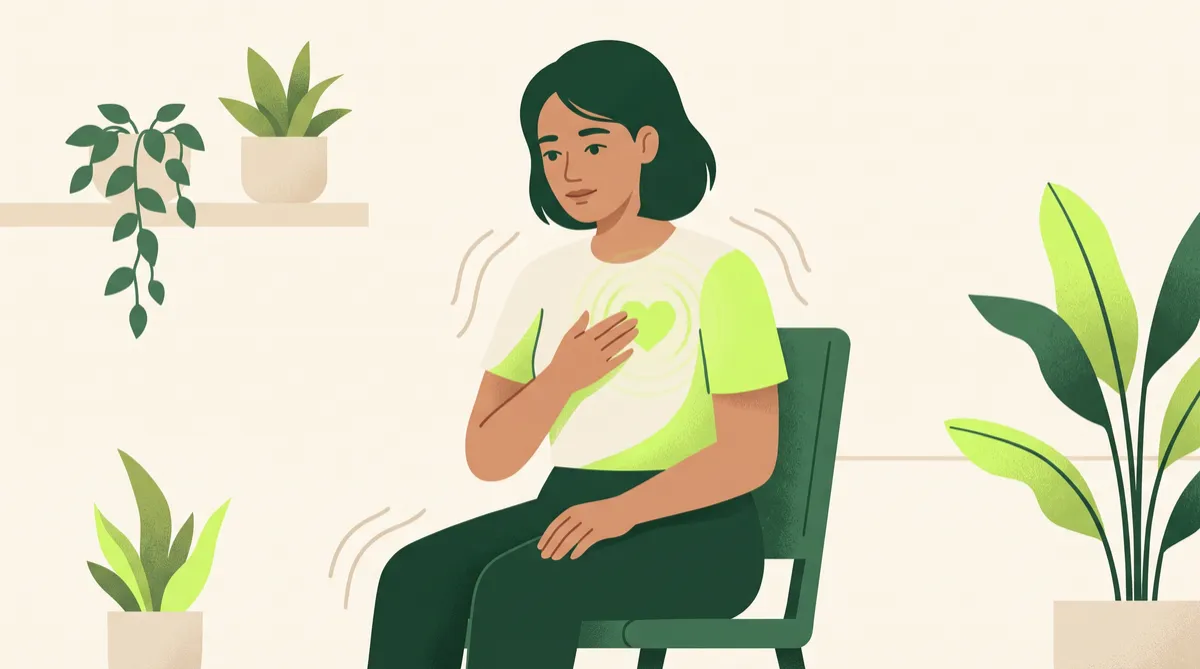
Yes. Anxiety can make your heartbeat faster or more noticeable. When your body responds to stress, it activates its fight-or-flight response, which can increase your heart rate and trigger other physical changes.
You may experience:
A racing or pounding heartbeat
Fluttering sensations in your chest
The feeling that your heart skipped a beat
A stronger awareness of your heartbeat while resting
Sweating, trembling, or dizziness
Shortness of breath or chest discomfort
These symptoms may occur during periods of stress or as part of a panic attack. But the presence of anxiety does not establish that anxiety is responsible for your heartbeat changes.
New, persistent, or unexplained palpitations deserve medical attention, particularly when they occur with other symptoms.
Why does anxiety make your heart race?
Several physical responses to stress may contribute to heart palpitations.
1. Your body releases stress hormones
When you perceive a threat or feel intense worry, your nervous system activates the stress response. Hormones such as adrenaline help prepare your body to respond, and your heart may beat faster or more forcefully.
You might notice this reaction before a presentation, during an argument, or when worrying about your health.
2. Your breathing pattern changes
Anxiety can cause faster breathing or a sensation of breathlessness. These changes may occur alongside a racing heartbeat, dizziness, or tingling.
Trying to monitor every breath or heartbeat can sometimes increase worry, making the sensations more noticeable.
3. You become more aware of your heartbeat
Stress can make you pay closer attention to bodily sensations. A normal heartbeat that you would ordinarily ignore may suddenly feel unusually strong.
This does not mean the sensation is imaginary. It means that your awareness of physical sensations can change during periods of anxiety.
4. Anxiety and sleep disruption can reinforce each other
Poor sleep can contribute to palpitations, while worry about experiencing another episode may make it harder to relax at night.
If you frequently wake up with a pounding heart, consider discussing both the nighttime symptoms and your sleep patterns with a healthcare professional rather than assuming anxiety is the only cause.
What do anxiety-related heart palpitations feel like?
People describe palpitations in different ways. You might feel that your heart is:
Beating faster than usual
Pounding hard against your chest
Fluttering or briefly quivering
Skipping a beat or adding an extra beat
Beating unusually strongly in your chest, neck, or throat
Palpitations may last seconds or longer and can happen while you are active or resting.
When anxiety is involved, the sensations may occur alongside worry, tension, trembling, sweating, or rapid breathing. They may also occur during a panic attack.
Still, the sensation itself cannot reliably distinguish anxiety from an abnormal heart rhythm. Some rhythm problems cause few symptoms beyond a racing or irregular heartbeat, while other causes can feel similar.
What else can cause a racing or pounding heart?
Anxiety is one possible cause, but several other factors can trigger palpitations.
Caffeine and other stimulants
Coffee, energy drinks, nicotine, and certain stimulant-containing products may trigger a pounding or racing heartbeat in some people. Sensitivity varies, so the amount that causes symptoms can differ between individuals.
Poor sleep and physical strain
Lack of sleep and strenuous exercise can contribute to palpitations. Note whether episodes occur after exercise, during periods of sleep deprivation, or at particular times of day.
Medications
Some prescription and over-the-counter medicines can affect heart rate or rhythm. If palpitations begin after starting a medicine or changing a dose, contact the prescribing clinician or pharmacist. Do not stop prescribed medication without medical advice.
Thyroid conditions and anemia
An overactive thyroid can cause a faster heartbeat. Iron-deficiency anemia and other forms of anemia may also be associated with palpitations, fatigue, or breathlessness.
A clinician may recommend testing based on your symptoms and medical history.
Heart rhythm conditions
Arrhythmias are conditions in which the heart beats too quickly, too slowly, or irregularly. Some are relatively benign, while others require treatment.
Recurring palpitations, a newly irregular heartbeat, or episodes accompanied by dizziness or breathlessness should not be dismissed as stress without appropriate assessment.
Can anxiety cause heart palpitations while resting or sleeping?
Yes. Anxiety-related palpitations can occur when you are sitting quietly, lying down, or trying to fall asleep. With fewer distractions, you may also become more aware of your heartbeat.
But palpitations at rest or during sleep are not automatically caused by anxiety. Caffeine, medication effects, thyroid conditions, and heart rhythm problems are among the other possibilities.
Consider noting when the episodes happen, how long they last, and whether you experience other symptoms. If the episodes recur, last more than a few minutes, become more frequent, or concern you, arrange a medical assessment.
If palpitations occur with chest pain, shortness of breath, fainting, or significant dizziness, seek emergency care.
When are heart palpitations an emergency?
Call 911 in the United States if you are experiencing palpitations that do not settle or that occur with any of the following:
Chest pain, pressure, or discomfort
Shortness of breath
Feeling faint or actually fainting
Severe dizziness or sudden weakness
Do not drive yourself if you may be experiencing a medical emergency.
If these symptoms occurred during an episode but have now stopped, seek urgent medical advice. Do not assume the episode was harmless simply because it resolved.
Even without emergency symptoms, make an appointment if your palpitations keep returning, become more frequent, last longer than a few minutes, or occur alongside a known heart condition or a family history of heart problems.
What should you do when anxiety triggers a pounding heartbeat?
If you have no emergency warning signs and a clinician has assessed your symptoms or provided guidance, these strategies may help you manage anxiety.
Pause and sit somewhere comfortable
If you feel lightheaded or overwhelmed, stop what you are doing and sit somewhere safe. Avoid strenuous activity while unexplained symptoms are occurring.
Breathe gently
Try breathing at a comfortable, unforced pace. You do not need to take repeated deep breaths or hold your breath. Stop any technique that makes you feel worse.
Breathing exercises may help with anxiety, but they should never delay emergency evaluation when concerning symptoms are present.
Review possible triggers
Consider whether symptoms follow caffeine, energy drinks, nicotine, poor sleep, intense exercise, or a recent medication change.
You may find it helpful to record the time of each episode, its duration, possible triggers, and any associated symptoms. Do not rely on a smartwatch or home device to rule out a serious condition.
Seek support for recurring anxiety
If anxiety frequently affects your sleep, concentration, relationships, or daily activities, speak with a healthcare professional. Depending on your needs, support may include psychotherapy, stress-management techniques, or medication when appropriate.
Addressing anxiety can be valuable even when additional medical evaluation is needed for physical symptoms.
How are heart palpitations evaluated?
A healthcare professional may ask:
When did the palpitations begin?
Do they happen during stress, exercise, or rest?
How long do they last?
Does your heartbeat feel fast, irregular, or unusually forceful?
Have you experienced chest discomfort, dizziness, or breathlessness?
What medicines, supplements, caffeine, or other stimulants do you use?
Do you have a history of thyroid problems, anemia, or heart disease?
Depending on the findings, evaluation may include a physical examination, an electrocardiogram (ECG), blood tests, or heart rhythm monitoring.
Not everyone needs every test. The appropriate assessment depends on the nature of the symptoms, medical history, examination, and clinical judgment.