Can Anxiety Cause Muscle Twitching? Stress, Spasms, and Other Causes
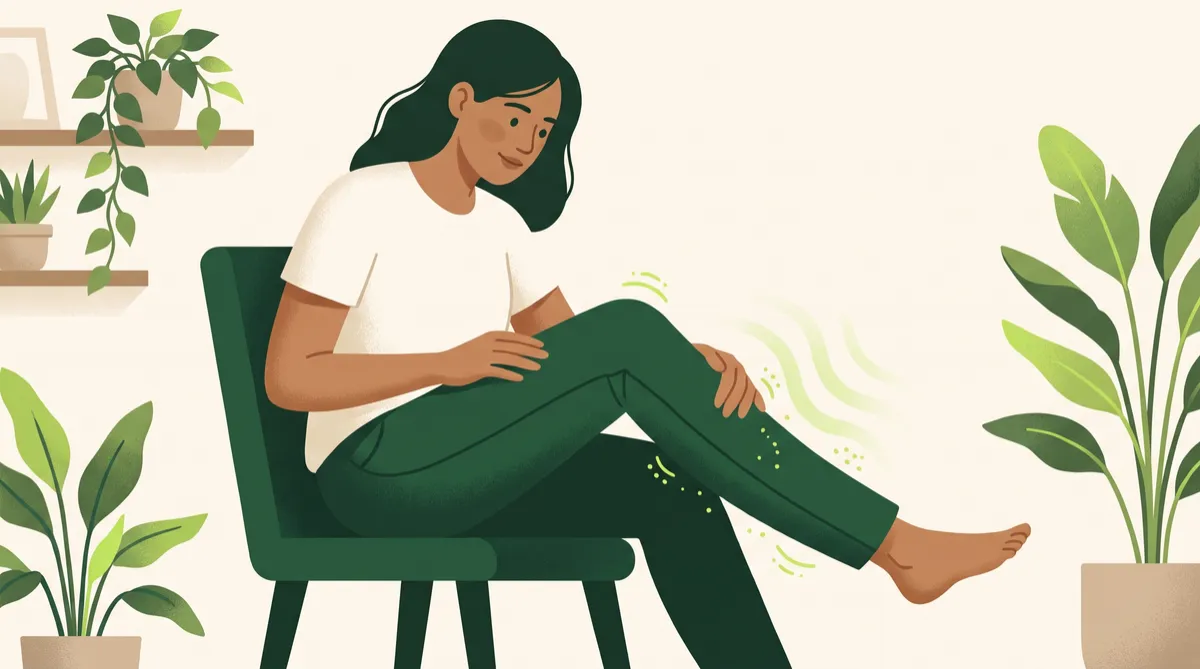
Have you ever noticed your eyelid fluttering, your calf jumping, or a small muscle twitching unexpectedly when you're stressed?
Muscle twitching can happen for several reasons, and stress or anxiety is one common trigger. These small, involuntary movements often affect areas such as the eyelids, calves, or hands and may come and go without causing lasting problems.
However, anxiety is not the only possible explanation. Lack of sleep, caffeine, strenuous exercise, medication effects, and certain medical conditions can also contribute to muscle twitching.
Understanding the pattern of your symptoms and knowing when to seek medical advicecan help you avoid unnecessary worry while ensuring that persistent or concerning symptoms receive appropriate attention.
Can anxiety cause muscle twitching?
Yes. Anxiety and stress can trigger or worsen muscle twitching in some people. These movements, known medically as fasciculations when they involve small spontaneous muscle contractions, may appear even when you're sitting quietly.
Common experiences include:
An eyelid that repeatedly flutters
A calf muscle that jumps or ripples beneath the skin
Small twitches in the arms, hands, or thighs
Muscle twitching that becomes more noticeable during stressful periods
Twitching alongside muscle tension, restlessness, or poor sleep
Many isolated muscle twitches are harmless and resolve on their own. But persistent twitching, particularly when accompanied by weakness or muscle loss, warrants medical assessment.
Why can anxiety trigger muscle twitching?
Anxiety affects the nervous system and can change how your body responds to stress. Several factors may contribute to twitching.
1. Your stress response becomes more active
When you feel anxious, your body activates its fight-or-flight response. Stress hormones and changes in nervous system activity can contribute to physical symptoms such as trembling, muscle tension, and increased awareness of bodily sensations.
Muscle twitching is not experienced by everyone with anxiety, but stress can be a trigger for some people.
2. Muscle tension may increase
You might unconsciously tighten your jaw, shoulders, hands, or legs during periods of worry. Sustained tension can leave muscles feeling tight, tired, or uncomfortable.
Tension and twitching are not the same thing, but they may occur together during stressful periods.
3. Poor sleep can make twitching more likely
Anxiety can interfere with falling asleep or staying asleep. Sleep deprivation is also associated with muscle twitching, potentially creating a cycle in which stress disrupts sleep and inadequate rest contributes to more symptoms.
Improving sleep habits may help, although persistent twitching should not automatically be attributed to sleep loss.
4. You may notice small movements more often
When you're worried about your health, you may pay closer attention to bodily sensations. A brief twitch that you previously would not have noticed can become a source of repeated concern.
The twitching itself is real. Increased attention may make it more noticeable, but it does not establish whether anxiety is the underlying cause.
Where does anxiety-related muscle twitching occur?
Muscle twitching can occur in many parts of the body. The location alone cannot determine its cause.
Eyelids
Eyelid twitching is common and may be associated with stress, fatigue, or caffeine. It often improves without specific treatment.
Calves and legs
Small calf twitches may occur after exercise, during periods of poor sleep, or when you're under stress. Recurrent twitching with weakness or muscle loss needs assessment.
Hands and arms
Twitching may be associated with fatigue, stimulants, medication effects, or other causes. New symptoms accompanied by loss of strength or coordination should be evaluated.
What else can cause muscle twitching?
Anxiety is one possible trigger, but several other factors deserve consideration.
Caffeine and other stimulants
Coffee, energy drinks, and other stimulant-containing products may contribute to muscle twitching in susceptible people. Nicotine and certain medications can also affect muscle activity.
If twitching occurs after consuming stimulants, consider discussing your intake with a healthcare professional and reducing excessive caffeine gradually if appropriate.
Exercise and muscle fatigue
Muscles may twitch after strenuous activity or prolonged exertion. If symptoms tend to follow workouts, consider your training intensity, recovery time, and sleep.
Frequent or severe twitching should not automatically be blamed on exercise.
Medication effects
Some medicines can contribute to muscle twitching. If the symptom begins after starting a medication or changing a dose, contact your prescribing clinician or pharmacist. Do not stop a prescribed medicine on your own.
Electrolyte or nutritional problems
Abnormal levels of certain electrolytes, including potassium or calcium, and some nutritional deficiencies may contribute to muscle symptoms. The relevance of blood testing depends on your medical history, symptoms, and examination.
Avoid taking high-dose electrolyte supplements or vitamins without appropriate guidance.
Thyroid and other medical conditions
Thyroid abnormalities, kidney problems, nerve disorders, and certain other conditions can sometimes cause muscle twitching or related symptoms.
A clinician can help determine whether an underlying medical condition needs to be investigated.
How can you tell whether muscle twitching is caused by anxiety?
There is no single pattern that confirms anxiety as the cause.
You may find it useful to consider:
Timing: Does twitching increase during stressful periods or after poor sleep?
Triggers: Does it follow caffeine, strenuous exercise, or a medication change?
Duration: Does it come and go, or does it continue for weeks?
Distribution: Does it affect one small area or several areas of the body?
Associated symptoms: Do you notice weakness, muscle stiffness, loss of muscle size, changes in sensation, or difficulty performing everyday activities?
Twitching that occurs during anxiety may be consistent with a stress-related trigger, but that does not rule out other explanations.
If the twitching persists, spreads, worsens, or occurs with weakness or muscle wasting, arrange a medical assessment rather than relying on symptom patterns alone.
What can help reduce muscle twitching during stressful periods?
If you have no concerning symptoms and anxiety or lifestyle factors may be contributing, these steps may help.
Prioritize consistent sleep
Try to maintain a regular sleep and wake schedule and allow enough time for rest. If anxiety repeatedly interferes with sleep, address that problem rather than treating each twitch as an isolated symptom.
Review caffeine intake
Notice whether twitching is more frequent after coffee, energy drinks, or other stimulants. Reducing excessive intake may help some people.
Use gentle movement and relaxation
Gentle stretching, comfortable movement, and relaxation practices may help with muscle tension. Avoid aggressive stretching or strenuous exercise when a muscle is painful or symptoms are unexplained.
Manage ongoing anxiety
If worry is affecting your sleep, concentration, or daily routine, consider speaking with a healthcare professional. Depending on your needs, treatment may include psychotherapy, stress-management strategies, or medication when appropriate.
Avoid repeatedly checking your muscles
Repeatedly watching, touching, or testing a twitching muscle can make the sensation more prominent and increase worry. If you have already been appropriately assessed, try to return your attention to ordinary activities rather than monitoring every movement.
These strategies may help with common triggers, but they are not a substitute for evaluation when symptoms persist or worsen.
When should you see a doctor about muscle twitching?
Arrange a medical appointment if:
Twitching lasts longer than two weeks.
You experience twitching in several different areas.
The affected muscle feels weak or stiff.
You notice muscle shrinking or loss of strength.
Twitching becomes more frequent or interferes with daily activities.
Symptoms begin after a medication change.
You also experience persistent cramps, changes in sensation, or difficulty with coordination.
Seek urgent medical care for sudden or rapidly worsening weakness, new difficulty walking, trouble breathing or swallowing, or other severe neurological symptoms.
A healthcare professional may ask about your symptoms, medications, caffeine intake, sleep, and exercise habits. Depending on the findings, assessment may include a physical and neurological examination or blood tests. Additional testing is not necessary for everyone.
Most occasional muscle twitches are not caused by a serious medical condition, but persistent symptoms deserve appropriate attention.