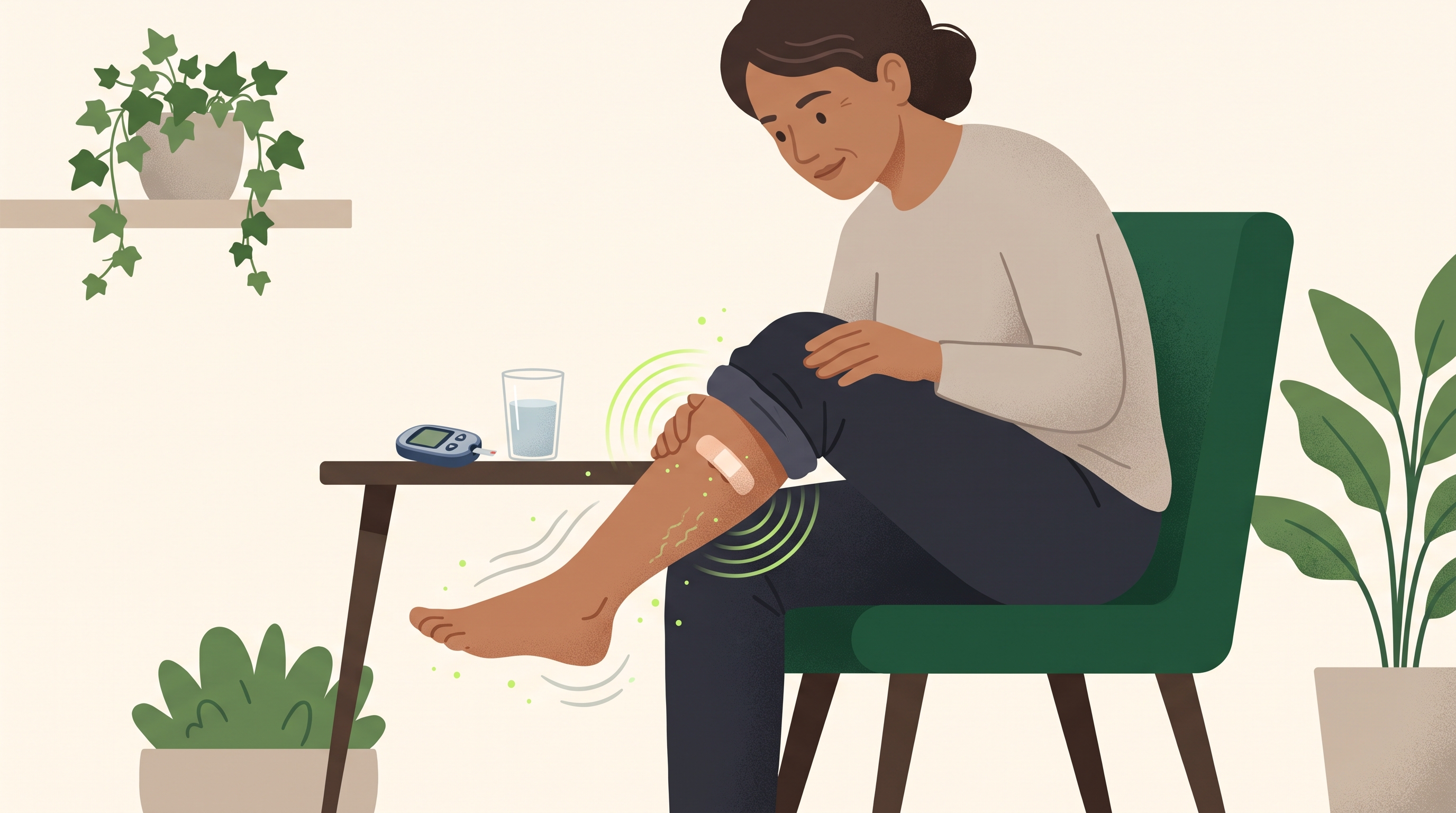
Can Diabetes Cause Slow-Healing Wounds? What to Know
A small cut, scrape, or blister usually heals without much trouble. But what if a minor wound stays open longer than expected, repeatedly becomes irritated, or seems to get worse instead of better?
For people living with diabetes, slow-healing wounds deserve particular attention.
Diabetes can affect the body's ability to repair damaged skin. Over time, elevated blood sugar may contribute to nerve damage, reduced circulation, and changes in the body's ability to respond to infection. Together, these problems can make even a small injury more difficult to heal.
The feet are especially vulnerable, but wounds can occur anywhere on the body.
Understanding why healing may slow down—and recognizing problems early—can help reduce the risk of serious complications.
Can Diabetes Slow Down Wound Healing?
Yes. Diabetes can increase the risk of wounds that heal slowly or become infected.
This is particularly relevant when blood glucose levels remain above a person's recommended range over time. Persistent elevated glucose can contribute to damage involving nerves and blood vessels, while also affecting the body's defenses against infection.
However, not every slow-healing wound is caused by diabetes. Poor circulation, infection, pressure injuries, smoking, nutritional deficiencies, certain medications, and other medical conditions can also interfere with healing.
If you have diabetes and notice a wound that is not improving, arrange a medical assessment rather than waiting for it to resolve on its own.
Why Does Diabetes Make Wounds Heal More Slowly?
Several processes can contribute to delayed wound healing.
1. Reduced Blood Circulation
A healing wound needs oxygen and nutrients delivered through the bloodstream.
Diabetes can contribute to peripheral artery disease, a condition in which narrowed blood vessels reduce circulation, particularly in the legs and feet.
When blood flow is inadequate, damaged tissue may not receive enough oxygen and nutrients to repair itself efficiently.
This can make wounds more difficult to heal and increase the risk of tissue damage.
2. Nerve Damage Can Hide Injuries
Diabetic neuropathy is nerve damage associated with diabetes.
It often affects the feet and lower legs. Some people experience burning, tingling, or pain, while others gradually lose sensation.
This creates an important problem: you may develop a blister, cut, or pressure sore without noticing it.
For example, a shoe that repeatedly rubs against your heel may create a wound. If you have reduced sensation, you might continue wearing the shoe because the injury does not hurt.
By the time you notice the problem, the wound may already be more serious.
3. Higher Blood Sugar Can Affect the Healing Process
Blood glucose plays an important role in normal body function.
When glucose levels remain elevated, the body's normal wound-repair processes may be disrupted. High blood sugar is also associated with impaired immune responses and a greater risk of infection.
This does not mean that one elevated glucose reading will prevent a wound from healing. The overall picture—including long-term glucose management, circulation, infection, and other health factors—matters.
4. Infection Can Make an Existing Wound Worse
A break in the skin creates an opportunity for bacteria to enter.
People with diabetes may be more vulnerable to complications when an infection develops, particularly if circulation is reduced or nerve damage makes the injury difficult to detect.
An infected wound may become increasingly red, warm, swollen, painful, or begin producing pus.
Importantly, a lack of pain does not rule out infection in someone with diabetic neuropathy.
What Types of Wounds Are Commonly Associated With Diabetes?
Diabetes does not cause every wound, but certain injuries can become more problematic when nerve damage, poor circulation, or impaired healing is present.
Common examples include:
Foot ulcers: Open sores that can develop on the soles, heels, or toes.
Blisters: Often caused by friction from footwear or repetitive pressure.
Cuts and scrapes: Minor injuries that may become infected or heal slowly.
Cracked skin: Particularly around the heels, where skin breakdown can create an entry point for infection.
Pressure injuries: Damage caused by prolonged pressure on an area of skin.
Foot ulcers are especially important because they can progress if pressure, infection, and circulation problems are not addressed.
7 Warning Signs That a Wound Needs Medical Attention
If you have diabetes, do not judge a wound only by how much it hurts.
Watch for these changes:
A wound that is not improving: The area remains open or shows little progress toward healing.
Increasing redness: Redness around the injury spreads or becomes more pronounced.
Swelling or warmth: The surrounding skin becomes swollen or warmer than usual.
Drainage or pus: Fluid, particularly thick or discolored discharge, appears.
An unpleasant smell: A persistent foul odor may indicate infection or damaged tissue.
Skin discoloration: The affected area becomes unusually dark, blue, purple, or black.
Fever or feeling unwell: These symptoms can indicate that an infection is becoming more serious.
Important: If you have diabetes and develop an open sore or ulcer on your foot, seek prompt medical assessment—even if it is small and painless.
Rapidly spreading redness, fever, significant swelling, or blackened tissue requires urgent medical evaluation. If you feel severely ill, confused, faint, or have other signs of a serious infection, seek emergency care.
Why Foot Wounds Deserve Special Attention
Your feet experience constant pressure from walking, standing, and footwear.
When diabetes-related nerve damage reduces sensation, small injuries can go unnoticed. Reduced circulation can then make it harder for the affected tissue to recover.
This combination can allow a minor injury to develop into a diabetic foot ulcer.
In more serious cases, infection may spread into deeper tissue or bone. Severe, untreated complications can lead to tissue loss and, in some cases, amputation.
The encouraging point is that early assessment and appropriate treatment can substantially reduce the risk of severe complications.
How Can You Protect Your Skin and Reduce the Risk of Wounds?
Daily prevention is an important part of diabetes care.
Check Your Feet Every Day
Look at the tops, soles, heels, and spaces between your toes.
Check for:
Cuts and scratches
Blisters
Cracked skin
Red or swollen areas
Changes in skin color
Drainage or unusual odors
Use a mirror if you cannot easily see the bottom of your feet, or ask someone to help.
Wear Properly Fitting Shoes
Shoes that rub, pinch, or create pressure can contribute to blisters and ulcers.
Choose comfortable footwear that fits properly. Avoid walking barefoot, including indoors, if you have diabetes-related foot risks.
Keep Your Skin Moisturized
Dry, cracked skin can create openings that make infection more likely.
Use an appropriate moisturizer on dry skin, but avoid applying it between the toes, where excess moisture may encourage fungal growth.
Follow Your Diabetes Management Plan
Work with your healthcare provider to manage blood glucose, blood pressure, and cholesterol.
Your individual targets depend on your health history and circumstances. Do not change prescribed medication or treatment without discussing it with your clinician.
Arrange Regular Foot Examinations
People with diabetes should have their feet assessed regularly by a healthcare professional.
The frequency and type of examination depend on individual risk factors, including previous ulcers, neuropathy, circulation problems, and foot deformities.
How Do Doctors Evaluate Slow-Healing Wounds?
A healthcare professional may consider several factors when assessing a wound.
Medical History and Physical Examination
Your clinician may ask:
When did the wound first appear?
Has it changed in size or appearance?
Is there pain, numbness, swelling, or drainage?
Have you experienced similar wounds before?
Do you have diabetes or circulation problems?
The wound may be examined for depth, surrounding skin changes, signs of infection, and pressure-related damage.
Blood Glucose and A1C Testing
If diabetes is already diagnosed, your clinician may review glucose records and an A1C test to understand longer-term blood sugar management.
If diabetes has not been diagnosed, appropriate testing may help determine whether abnormal glucose levels are present.
A1C is not a wound-healing test, and an individual result cannot explain every cause of delayed healing.
Circulation and Nerve Assessment
Depending on the wound, a clinician may assess pulses, skin temperature, sensation, and circulation.
Additional testing may be necessary if peripheral artery disease or deeper tissue involvement is suspected.
Infection Assessment
If infection is suspected, further examination or testing may be required. Treatment depends on the severity and depth of the infection.
A wound that does not heal should not automatically be treated with over-the-counter products alone. The underlying cause needs to be identified.
When Should You Seek Medical Care?
Do not wait for a wound to become painful before seeking help.
Arrange prompt medical assessment if you have diabetes and notice:
An open sore on your foot
A blister that has broken
A cut that is not improving
New swelling, warmth, or redness
Drainage or an unusual smell
A change in skin color or temperature
Seek urgent or emergency care for rapidly spreading infection, fever with a worsening wound, blackened tissue, or signs of severe illness.
If you have a foot ulcer, specialized wound care or podiatry assessment may be necessary.
Could Slow-Healing Wounds Be a Sign of Undiagnosed Diabetes?
Sometimes, yes—but a slow-healing wound alone cannot establish that someone has diabetes.
Other symptoms that may occur with diabetes include:
Increased thirst
Frequent urination
Increased hunger
Unexplained weight loss
Blurred vision
Fatigue
Recurrent infections
Some people with type 2 diabetes have few noticeable symptoms for years.
If you have persistent symptoms or risk factors, ask a healthcare professional whether diabetes screening is appropriate. Common diagnostic tests include A1C, fasting plasma glucose, and the oral glucose tolerance test.
A proper diagnosis requires appropriate laboratory testing and clinical interpretation.
Can Better Blood Sugar Management Help Wounds Heal?
Managing blood glucose is an important part of reducing diabetes-related complications.
A healthcare professional can help review your treatment plan, identify factors affecting glucose control, and determine whether changes are appropriate.
However, blood sugar management alone is not a substitute for wound treatment.
A wound may also require pressure relief, professional cleaning or debridement, infection management, appropriate dressings, or treatment to improve circulation.
The right approach depends on the wound's location, severity, and underlying cause.