Can Diabetes Cause Tingling in Your Feet? Understanding Diabetic Neuropathy
A tingling sensation in your toes can seem harmless at first. Perhaps your feet feel like they are falling asleep, or you notice occasional pins and needles when walking or resting.
But what if the sensation keeps returning?
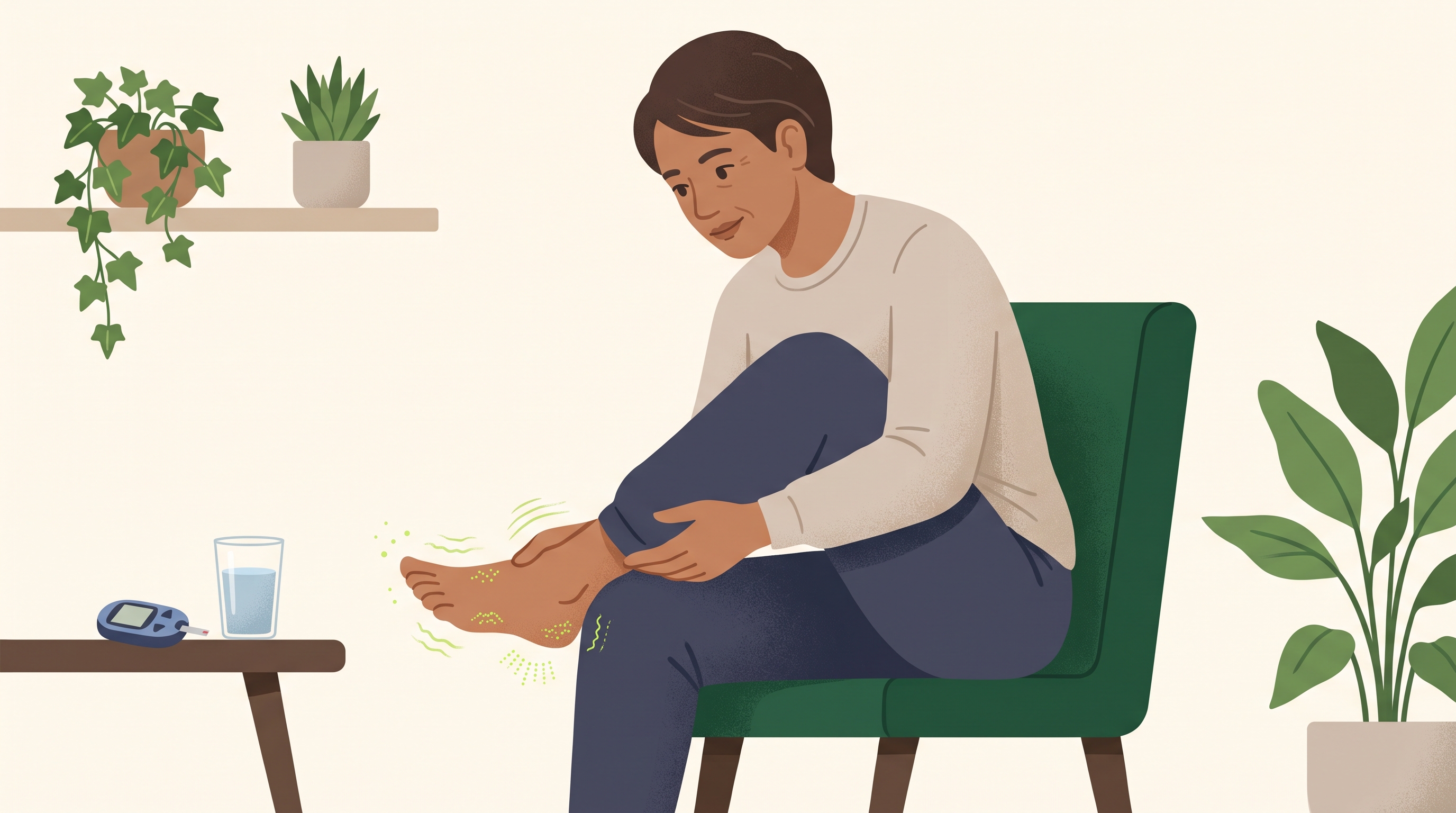
Persistent tingling, numbness, burning, or pain in the feet can sometimes indicate a problem involving the nerves. One possible cause is diabetic peripheral neuropathy, a type of nerve damage associated with diabetes.
So, can diabetes cause tingling in your feet?
Yes. Over time, elevated blood glucose can damage nerves and the small blood vessels that supply them. This damage can affect sensation, balance, and the ability to recognize injuries.
However, tingling feet do not automatically mean you have diabetes. Vitamin deficiencies, thyroid disorders, nerve compression, medications, and other conditions can cause similar symptoms.
Understanding the possible causes is an important first step toward protecting your nerve health.
What Is Diabetic Neuropathy?
Diabetic neuropathy is nerve damage that develops as a complication of diabetes.
Your nervous system carries signals between your brain, spinal cord, and the rest of your body. These signals help you feel touch, recognize temperature, move muscles, and regulate internal functions.
When nerves become damaged, these signals may not travel normally.
Diabetic neuropathy can affect different parts of the nervous system, including:
Peripheral nerves in the feet, legs, hands, and arms
Autonomic nerves that regulate internal organs
Nerves around the hips, thighs, and buttocks
Individual nerves in specific parts of the body
Peripheral neuropathy is particularly important because it commonly affects the feet and legs.
According to the National Institute of Diabetes and Digestive and Kidney Diseases (NIDDK), up to half of people with diabetes may develop peripheral neuropathy.
How Does Diabetes Damage Your Nerves?
The relationship between diabetes and nerve damage develops over time.
When blood glucose remains elevated, it can affect the nerves directly and damage the small blood vessels responsible for supplying them with oxygen and nutrients.
Elevated blood fats, including triglycerides, may also contribute to nerve damage.
Over time, these changes can interfere with normal nerve function.
The result may include:
Tingling or pins-and-needles sensations
Burning or shooting pain
Reduced sensitivity to touch
Numbness in the toes or feet
Muscle weakness
Problems with balance
The severity and pattern of symptoms vary from person to person.
Not everyone experiences painful symptoms. Some people gradually lose sensation without realizing it.
7 Signs of Diabetic Neuropathy You Should Recognize
Diabetic neuropathy can affect sensation, movement, and internal organ function.
Here are some common symptoms to understand.
1. Tingling in Your Feet and Toes
Tingling is one of the recognizable symptoms of peripheral neuropathy.
You may experience:
Pins-and-needles sensations
A buzzing feeling
Mild electric-like sensations
Tingling that comes and goes
Unusual sensitivity when touching your feet
Some people notice these sensations more frequently at night.
Persistent or recurring tingling deserves medical evaluation, particularly if you have diabetes.
2. Burning Sensations in Your Feet
Nerve damage can cause burning sensations even when there is no visible injury.
Some people describe their feet as feeling hot, irritated, or as though they are burning.
This discomfort may become more noticeable at night and can interfere with sleep.
3. Numbness in Your Toes
Numbness can develop when damaged nerves stop transmitting normal sensory signals.
You might notice that:
Your toes feel less sensitive.
You do not notice pressure as easily.
Your feet feel different when walking.
You struggle to recognize hot or cold surfaces.
This symptom deserves particular attention because reduced sensation can make injuries harder to detect.
4. Sharp or Shooting Nerve Pain
Neuropathy does not always reduce sensation.
Damaged nerves can also send abnormal signals that cause pain.
You may experience:
Sudden sharp sensations
Electric-like pain
Shooting discomfort
Pain from light touch
Increased sensitivity to bedsheets or footwear
The intensity can vary, and symptoms may become more troublesome at night.
5. Difficulty Maintaining Balance
Peripheral nerves help your brain understand the position and movement of your feet.
When these signals become less reliable, balance may be affected.
You might notice:
More frequent stumbling
Trouble recognizing where your feet are positioned
Balance changes can increase the risk of falls and injuries.
6. Muscle Weakness
Some forms of nerve damage affect the nerves responsible for muscle movement.
This may contribute to weakness in the feet or legs and difficulty performing everyday activities.
Changes in walking patterns or increasing difficulty moving your feet should be evaluated.
7. Foot Injuries You Do Not Notice
This is one of the most important complications of diabetic neuropathy.
When sensation decreases, you may not recognize a blister, cut, burn, or pressure injury.
A small wound can become infected, particularly when diabetes and poor circulation interfere with healing.
Daily foot checks are therefore essential for people with diabetes, especially those who have reduced sensation.
Does Diabetic Neuropathy Only Affect the Feet?
No.
Although peripheral neuropathy commonly begins in the feet and legs, diabetes can affect several types of nerves.
Other forms include:
Autonomic Neuropathy
Autonomic nerves regulate functions that generally happen without conscious effort.
Damage can affect:
Digestion
Bladder function
Heart rate
Blood pressure
Sweating
Sexual function
Symptoms depend on which nerves are affected.
Proximal Neuropathy
This form can cause pain and weakness around the hips, thighs, buttocks, or legs.
It may make standing from a seated position or climbing stairs difficult.
Focal Neuropathy
Focal neuropathy affects a specific nerve or group of nerves.
It can cause localized pain, weakness, or changes in sensation, sometimes involving the hands, head, torso, or legs.
A healthcare professional can help determine which type of nerve problem may be present.
Can You Have Diabetic Neuropathy Without Knowing You Have Diabetes?
Yes, it is possible for nerve-related symptoms to be noticed before someone has received a diabetes diagnosis.
Type 2 diabetes can develop gradually, and some people have elevated blood glucose for years without obvious symptoms.
However, tingling feet alone cannot establish that diabetes is present.
If you have unexplained tingling or numbness, a medical evaluation may include blood glucose testing and an assessment for other possible causes of nerve damage.
Other Conditions That Can Cause Tingling in Your Feet
Diabetes is not the only explanation for peripheral neuropathy or abnormal sensations.
Other possible causes include:
Possible cause | How it may affect your feet |
|---|---|
Vitamin B12 deficiency | Can interfere with normal nerve function and cause tingling or numbness. |
Thyroid disorders | Certain thyroid conditions can contribute to peripheral nerve problems. |
Nerve compression | Pressure on a nerve can cause localized tingling, pain, or numbness. |
Alcohol-related nerve damage | Long-term excessive alcohol use can damage peripheral nerves. |
Kidney disease | Some kidney conditions can contribute to nerve damage. |
Certain medications | Some medicines, including particular chemotherapy drugs, can affect nerves. |
Vitamin deficiencies | Certain nutritional deficiencies can interfere with nerve health. |
The distinction matters because treating diabetes alone will not address every possible cause of tingling feet.
For example, vitamin B12 deficiency deserves consideration in some people taking metformin over the long term.
How Is Diabetic Neuropathy Diagnosed?
There is no single test that confirms every case of diabetic neuropathy.
A healthcare professional usually considers your symptoms, medical history, physical examination, and appropriate testing.
1. Medical History and Symptom Review
Your clinician may ask:
When did the tingling begin?
Does it affect one foot or both?
Is it constant or intermittent?
Do you experience burning or pain?
Does it become worse at night?
Have you noticed weakness or balance problems?
Do you have diabetes or other medical conditions?
What medications and supplements do you take?
These details help guide the evaluation.
2. Neurological Examination
A neurological examination may assess:
Sensation
Muscle strength
Reflexes
Balance
Coordination
Walking patterns
This helps identify possible nerve dysfunction.
3. Foot Examination
For people with diabetes, foot examinations are especially important.
A clinician may use a monofilament test to assess protective sensation. A tuning fork may also be used to check vibration perception.
The examination may include an assessment of skin condition, circulation, pressure points, and existing wounds.
4. Blood Tests
Depending on your symptoms and history, testing may include:
Hemoglobin A1C
Fasting blood glucose
Vitamin B12
Thyroid function
Kidney function
Other tests to investigate nutritional or metabolic causes
5. Nerve Conduction Studies or Electromyography
These tests may be considered when the diagnosis is unclear or symptoms are unusual.
Nerve conduction studies assess how electrical signals travel through nerves.
Electromyography evaluates electrical activity in muscles.
They are not routinely required for every person with suspected diabetic peripheral neuropathy.
Can Diabetic Neuropathy Be Reversed?
This is one of the most common questions people ask after experiencing nerve symptoms.
The answer depends on the extent of nerve damage and the underlying cause.
Some symptoms may improve when contributing factors are addressed, particularly when a reversible cause is identified early.
However, established nerve damage may not be completely reversible.
Appropriate diabetes management can help reduce the risk of further damage and may slow progression.
The goal is to protect remaining nerve function, manage symptoms, and prevent complications.
What Can Help Manage Diabetic Neuropathy?
Treatment depends on the type of nerve damage, symptom severity, and individual health circumstances.
Several strategies may be considered.
1. Manage Blood Glucose
Maintaining blood glucose within an individualized target range is important for reducing the risk of diabetes complications.
Your clinician can help determine appropriate glucose targets based on your age, medical history, medications, and other health factors.
2. Monitor Blood Pressure and Cholesterol
Diabetes-related nerve damage can involve more than glucose alone.
Blood pressure and blood lipid management are also important parts of overall cardiovascular and metabolic health.
3. Follow a Foot-Care Routine
Check your feet every day.
Look for:
Cuts
Blisters
Redness
Swelling
Cracked skin
Changes in color
Signs of infection
Changes in nail or skin condition
Use a mirror to inspect the soles of your feet if necessary.
If you have reduced sensation, do not rely on pain to tell you whether an injury has occurred.
4. Choose Appropriate Footwear
Wear comfortable, properly fitting footwear that protects your feet from friction and pressure.
Avoid walking barefoot, particularly if you have reduced sensation.
If you have foot deformities, recurring pressure areas, or ulcers, ask a foot-care professional about appropriate footwear.
5. Discuss Nerve-Pain Treatment
If neuropathy causes persistent pain, a healthcare professional may discuss prescription treatments designed to reduce nerve-related symptoms.
The appropriate option depends on your medical history, other medications, possible side effects, and the type of pain.
These treatments may help manage discomfort, but they do not necessarily repair damaged nerves or stop disease progression.
Avoid relying on unproven supplements or products that promise to reverse nerve damage.
When Should You Seek Medical Attention?
Do not ignore persistent tingling, numbness, burning, or pain in your feet.
Arrange a medical evaluation if you experience:
New or worsening numbness
Persistent burning or tingling
Reduced ability to feel heat or cold
Weakness in your feet or legs
Changes in walking or balance
Recurrent foot injuries
If you have diabetes, seek prompt medical attention for a foot blister, ulcer, cut that is not healing, redness, swelling, or signs of infection.
A rapidly worsening foot wound, spreading redness, fever, or severe swelling needs urgent assessment.
Sudden numbness or weakness, particularly on one side of the body or accompanied by facial drooping or difficulty speaking, requires emergency medical attention. Do not assume these symptoms are diabetic neuropathy.