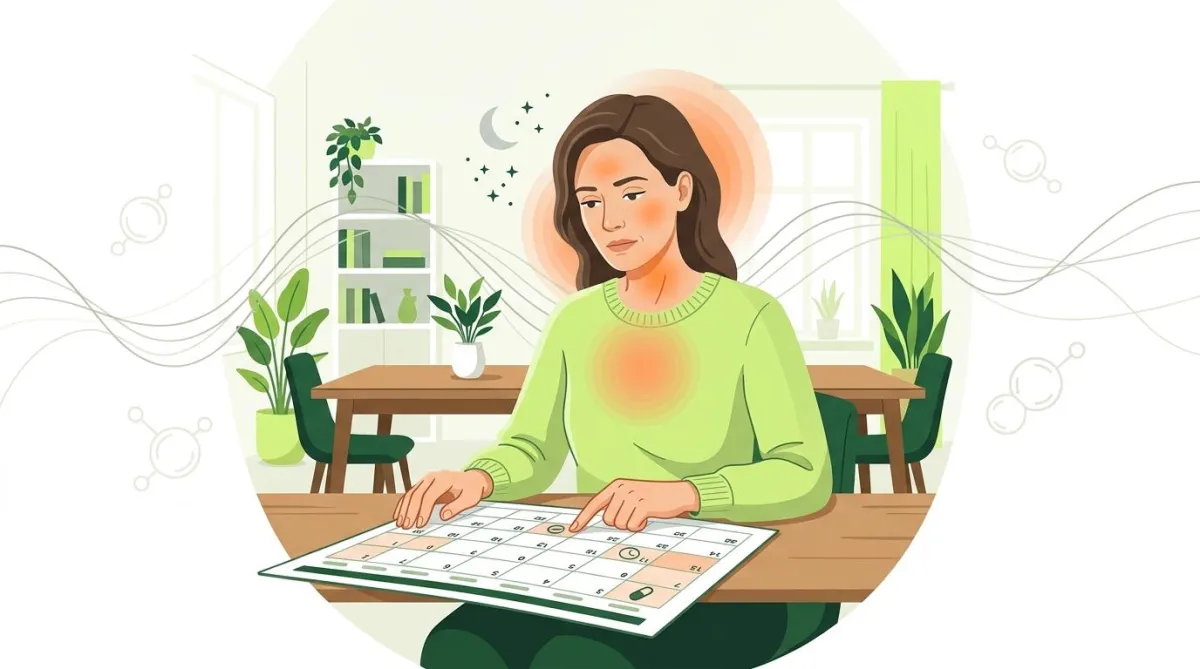
Can Perimenopause Cause Anxiety? Hormones & Symptoms
Can Perimenopause Cause Anxiety?
Yes. Perimenopause can be associated with new or worsening anxiety, even in women who have never experienced significant anxiety before.
Changing reproductive hormones, sleep disruption, hot flashes, menstrual changes, stress, and other midlife health factors can all contribute to how you feel emotionally during the menopause transition.
But anxiety during your 40s should not automatically be attributed to hormones.
Thyroid problems, medications, sleep disorders, depression, major life stress, excessive caffeine or alcohol, and other medical conditions can also contribute to anxiety symptoms.
The goal is not simply to assume that your hormones are responsible. It is to understand the pattern of your symptoms and determine whether perimenopause, another health issue, or several factors may be involved.
What Is Perimenopause?
Perimenopause is the transition leading up to menopause.
During this stage, ovarian hormone production and menstrual cycles can become less predictable. Symptoms can vary considerably from person to person and may change over time.
Common symptoms can include:
Irregular or changing periods
Hot flashes
Night sweats
Sleep problems
Mood changes
Anxiety or increased worry
Vaginal dryness
Changes in sexual desire
Muscle and joint discomfort
Brain fog or difficulty concentrating
Not everyone experiences the same combination of symptoms.
In particular, anxiety may become more noticeable around the same time that menstrual cycles and other physical symptoms begin changing.
Why Can Perimenopause Affect Anxiety?
The relationship between hormones and anxiety is complex.
Estrogen interacts with several systems involved in mood regulation, while fluctuations in reproductive hormones during the menopause transition can coincide with changes in mood and emotional well-being.
This does not mean that estrogen changes directly "cause" anxiety in every woman.
Instead, hormonal fluctuations may be one factor that changes how susceptible someone is to anxiety, particularly when combined with poor sleep, physical symptoms, or significant life stress.
The current menopause guidance from NICE recognizes mood symptoms among the symptoms that may occur during the menopause transition and recommends individualized assessment and treatment decisions.
What Does Perimenopause Anxiety Feel Like?
Anxiety associated with perimenopause can feel similar to anxiety caused by other factors.
You might notice:
Feeling unusually nervous or on edge
Excessive worrying
Racing thoughts
Irritability
Difficulty relaxing
A sense of dread
Increased sensitivity to stress
Difficulty concentrating
Restlessness
Physical tension
A racing or pounding heart during anxious episodes
Some women describe feeling like their "stress response" has become much stronger than it used to be.
For example, situations that previously felt manageable may suddenly feel overwhelming.
That change can be frustrating, especially when there does not seem to be an obvious reason for it.
Can Perimenopause Cause Anxiety Even If I've Never Had It Before?
Yes.
A woman does not need to have a previous history of an anxiety disorder to experience significant anxiety symptoms during perimenopause.
However, new anxiety in midlife should still be evaluated rather than automatically blamed on menopause.
The timing of symptoms matters.
For example, anxiety that appears alongside:
newly irregular periods
hot flashes
night sweats
sleep disruption
changes in sexual function
vaginal dryness
other new menopause-related symptoms
may fit into the broader pattern of the menopause transition.
But symptoms can overlap with many other conditions, so the complete picture matters.
Can Hot Flashes Make Anxiety Worse?
They can create a difficult cycle.
A hot flash may cause sudden warmth, sweating, flushing, or a rapid heartbeat. Those sensations can themselves feel alarming, particularly when they happen unexpectedly.
If hot flashes repeatedly wake you during the night, the resulting sleep disruption can also make you feel more tired and less resilient to stress during the day.
NICE identifies hot flashes and night sweats as common menopause-associated symptoms and notes that menopause symptoms can vary from mild to severe.
This means that treating troublesome physical symptoms may sometimes help reduce the overall burden contributing to anxiety.
Can Poor Sleep During Perimenopause Increase Anxiety?
Poor sleep and anxiety can reinforce each other.
Perimenopause may interfere with sleep through:
Night sweats
Hot flashes
Difficulty falling asleep
Waking during the night
Stress or racing thoughts
Changes in sleep patterns
Then, inadequate sleep can make emotional regulation more difficult the following day.
If you are experiencing both anxiety and persistent sleep problems, it is worth addressing both rather than assuming that one symptom will disappear automatically.
Menopause-specific cognitive behavioral therapy is one option that may be considered for menopause-associated symptoms, including sleep difficulties and certain mood symptoms.
Is Anxiety Always Caused by Hormones?
No.
This is an important distinction.
Anxiety during perimenopause can have multiple contributing factors, including:
Hormonal changes
Fluctuating reproductive hormones may contribute to changes in mood and emotional symptoms.
Sleep disruption
Repeatedly poor sleep can make anxiety and irritability harder to manage.
Life stress
Women in their 40s and 50s may also be dealing with demanding careers, parenting, caregiving, relationship changes, financial pressure, or other major life events.
Thyroid conditions
Thyroid disorders can produce symptoms that overlap with menopause, including changes in mood, sleep, energy, and heart rate.
Medications and substances
Certain medications, stimulants, excessive caffeine, and other substances can affect anxiety or sleep.
Depression or an anxiety disorder
Perimenopause can occur at the same time as a clinically significant mental health condition. New or severe symptoms deserve appropriate evaluation.
This is why a symptom-based medical evaluation is often more useful than assuming that every new symptom after 40 is hormonal.
Should You Have Hormone Testing for Perimenopause Anxiety?
Not necessarily.
Hormone levels can fluctuate substantially during perimenopause, so a single hormone measurement may not always provide a complete explanation for symptoms.
For many women in the typical menopause-transition age range, clinicians can use symptoms, menstrual history, age, and overall medical history to assess whether perimenopause is likely.
Testing may be appropriate in certain situations, particularly when another medical condition needs to be considered.
The right approach depends on your age, symptoms, menstrual pattern, medical history, medications, and risk factors.
Can Hormone Therapy Help Perimenopause-Related Anxiety?
Hormone therapy may be appropriate for some women with bothersome menopause symptoms, but it is not a universal treatment for anxiety.
Hormone therapy is commonly used to treat menopause-associated symptoms such as hot flashes and night sweats, and it may improve overall symptom burden in appropriate patients. The Menopause Society identifies hormone therapy as the most effective treatment for bothersome vasomotor symptoms in appropriate candidates.
NICE recommends individualized discussion of the benefits and risks of HRT, taking factors such as age, medical history, risk factors, and the type of therapy into account.
If anxiety is severe, persistent, or meets criteria for an anxiety disorder, hormone therapy should not automatically replace appropriate mental health treatment.
The best treatment depends on what is actually contributing to the symptoms.
What Can You Do About Anxiety During Perimenopause?
The first step is identifying the pattern.
Helpful strategies may include:
Tracking periods and other menopause symptoms
Recording when anxiety occurs
Noting sleep quality
Identifying hot flashes or night sweats
Reviewing medications and supplements with a clinician
Limiting excessive caffeine if it worsens symptoms
Maintaining regular physical activity
Prioritizing consistent sleep habits
Using stress-management techniques
Considering therapy or CBT when appropriate
Discussing menopause treatment options with a qualified healthcare professional
If symptoms are persistent or interfering with work, relationships, sleep, or daily activities, professional evaluation is appropriate.
When Should You Talk to a Healthcare Provider?
Consider speaking with a healthcare provider if you develop:
New anxiety in your 40s or 50s
Anxiety that is becoming progressively worse
Panic-like episodes
Significant sleep disruption
New menstrual changes alongside mood symptoms
Hot flashes or night sweats that interfere with daily life
Significant mood changes
Difficulty functioning at work or home
Symptoms that began after starting or changing a medication
A clinician can help determine whether the pattern fits perimenopause or whether another medical or mental health issue should be investigated.
If anxiety is severe, sudden, or accompanied by thoughts of self-harm, seek urgent professional help.
Can Perimenopause Anxiety Go Away?
It can improve, but the course is different for every person.
Some symptoms fluctuate considerably during the menopause transition. Others can persist or change as menopause progresses.
Rather than waiting indefinitely for symptoms to disappear, it can be useful to evaluate how much they are affecting your quality of life and discuss treatment options when needed.
The goal is not necessarily to eliminate every symptom. It is to identify meaningful contributors and develop an appropriate plan based on your individual health profile.