Can Poor Sleep Lower Testosterone? | Primary Wellness NY
Quick Answer
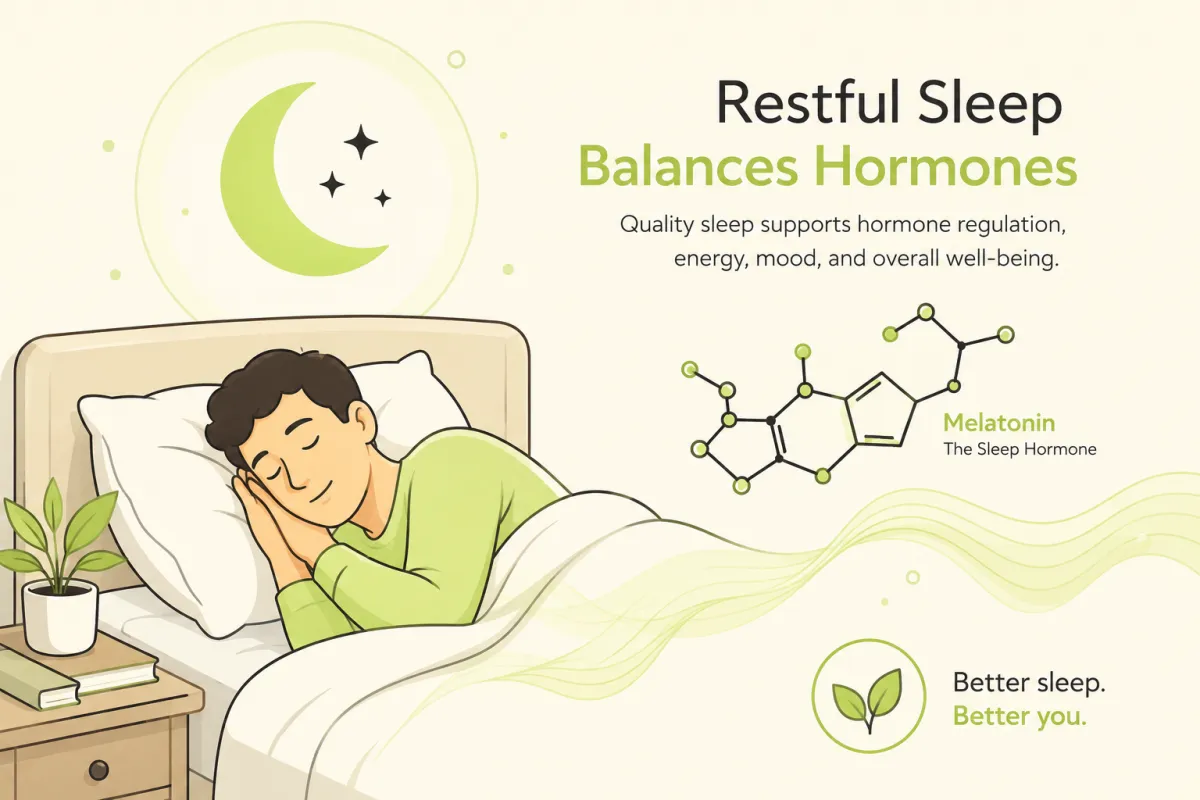
Yes, poor sleep can significantly lower testosterone levels. Research shows that sleep deprivation and poor sleep quality interfere with the normal nighttime rise in testosterone. In one clinical study, restricting sleep to five hours per night for one week decreased daytime testosterone levels by about 10% to 15% in healthy young men. The relationship works both ways: poor sleep disrupts testosterone production, and low testosterone can contribute to sleep problems, creating a cycle that can worsen over time .
Introduction
You have been sleeping poorly for weeks. You feel tired, your energy is low, and you may have noticed other changes less motivation, difficulty concentrating, or a drop in your usual drive. You wonder if something more than just "bad sleep" is going on.
It is not your imagination. Sleep and testosterone are deeply connected. Testosterone is primarily produced during sleep, particularly during REM sleep . When sleep is short, fragmented, or poor quality, testosterone production suffers .
The good news is that this relationship can work in your favor improving sleep can help restore healthy testosterone levels . But first, it helps to understand how these systems interact.
Why Sleep Matters for Testosterone Production
Testosterone does not rise randomly. It follows a daily rhythm. In healthy men, testosterone levels peak in the early morning and gradually decline throughout the day, resetting during overnight sleep .
Research shows that the nighttime rise in testosterone is strongly sleep-dependent, not just circadian-clock dependent . To see a normal testosterone rise, you typically need at least about three hours of sleep with normal sleep architecture .
REM Sleep Is Especially Important
Sleep fragmentation especially when it disrupts REM sleep can blunt the normal nighttime testosterone rise . One study found that fragmented sleep reduced the nocturnal testosterone rise, particularly in people who did not reach REM sleep .
This is why poor sleep quality can have such a powerful effect. It is not just about hours in bed it is about getting enough deep, restorative sleep for your body to complete its normal hormonal patterns.
How Poor Sleep Lowers Testosterone
Short Sleep Duration
In a well-known clinical study, restricting sleep to five hours per night for one week decreased daytime testosterone levels by 10% to 15% in healthy young men . This shows that even a few nights of insufficient sleep can measurably affect testosterone.
Sleep Disorders Like Sleep Apnea
Obstructive sleep apnea (OSA) is a condition where breathing repeatedly stops and starts during sleep. It is associated with lower testosterone levels, even after controlling for age and obesity . The repeated oxygen deprivation and sleep fragmentation from OSA disrupt the hormonal signals that support testosterone production .
Nighttime Wakings
Nocturia the need to wake one or more times at night to urinate is a common symptom of both sleep apnea and aging . These nighttime wakings cause chronic sleep fragmentation, which suppresses the hypothalamic-pituitary-gonadal (HPG) axis and reduces testosterone production .
The Vicious Cycle: Low Testosterone and Poor Sleep
The relationship between sleep and testosterone goes both ways. Low testosterone can contribute to:
Poor sleep quality and insomnia
Fatigue that makes it harder to maintain healthy sleep habits
Reduced recovery from stress and exercise
Mood changes that interfere with sleep
This means poor sleep lowers testosterone, and lower testosterone makes poor sleep more likely creating a cycle that can quietly worsen over time .
Signs That Poor Sleep May Be Affecting Your Testosterone
If you are experiencing several of these symptoms, it may be worth looking at sleep quality and hormone health together :
Low energy and fatigue despite adequate rest
Brain fog or difficulty concentrating
Reduced libido
Mood changes or irritability
Poor workout recovery or reduced muscle strength
Increased body fat, especially around the abdomen
When to See a Provider
You should consider a medical evaluation if:
Your sleep is consistently short, fragmented, or poor quality
You have symptoms of low testosterone (fatigue, low libido, brain fog, reduced strength)
You snore loudly or have been told you stop breathing during sleep
You wake frequently during the night to use the bathroom
You are struggling to lose weight or maintain muscle despite effort
A provider can help determine whether poor sleep, hormone imbalances, or both are contributing to your symptoms .
What Labs Should Be Checked?
A thorough evaluation typically includes:
Total and free testosterone to assess hormone levels
Thyroid panel (TSH, Free T4, Free T3)
Fasting glucose and insulin to assess metabolic health
Complete blood count (CBC) to check for anemia
Vitamin D which affects both sleep and hormone health
Lipid panel to assess cardiovascular risk
The right tests depend on your individual symptoms, medical history, and risk factors. A provider can help determine which labs are appropriate for you.