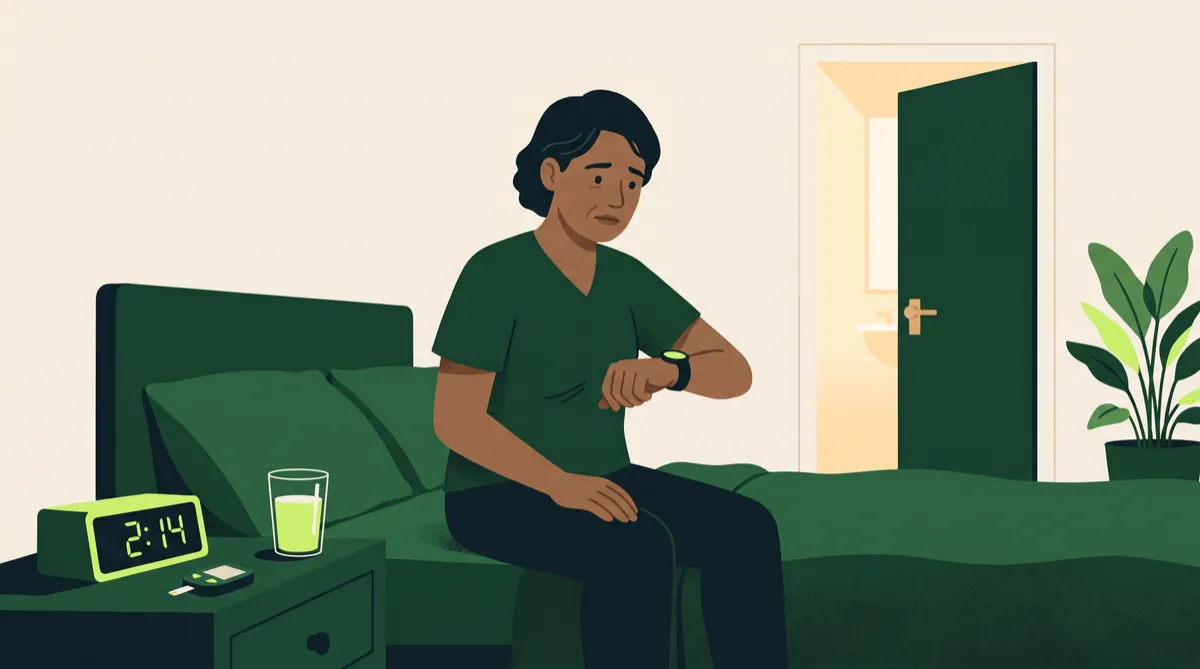
Why Do I Pee So Often? Frequent Urination and Diabetes Explained
Needing to use the bathroom occasionally throughout the day is normal. But when you find yourself urinating much more frequently than usual, waking several times during the night, or feeling like your bladder is never completely settled, it may be worth investigating.
One possible explanation is elevated blood sugar.
Can diabetes cause frequent urination? Yes. Frequent urination, medically known as polyuria when urine volume is unusually high, is a recognized symptom of diabetes. When blood glucose becomes sufficiently elevated, the kidneys may remove excess glucose through urine, causing the body to lose additional water.
However, diabetes is not the only possible cause. Urinary tract infections, overactive bladder, prostate conditions, medications, and other medical issues can also increase urination.
Understanding the possible causes can help you determine when to seek medical advice.
How Does Diabetes Cause Frequent Urination?
Your kidneys continuously filter your blood, removing waste products and maintaining the body's fluid balance.
Normally, glucose is filtered by the kidneys and then reabsorbed into the bloodstream.
However, when blood glucose becomes sufficiently high, the kidneys may not be able to reabsorb all the filtered glucose.
The excess glucose remains in the urine and draws additional water with it. This process is called osmotic diuresis.
The result can be:
Increased urine production
More frequent bathroom visits
Greater fluid loss
Increased thirst
Dehydration
This is why frequent urination and excessive thirst often appear together in people with elevated blood glucose.
7 Possible Reasons You Are Urinating So Often
Diabetes is one possibility, but several other conditions can produce similar symptoms.
1. High Blood Sugar and Diabetes
Frequent urination is one of the classic symptoms of diabetes.
When glucose levels rise significantly, the kidneys remove excess glucose through urine, increasing fluid loss.
Other symptoms may include:
Persistent thirst
Increased hunger
Unexplained weight loss
Fatigue
Blurred vision
Slow-healing wounds
If you notice several of these symptoms together, consider discussing diabetes screening with a healthcare professional.
2. Urinary Tract Infection (UTI)
A urinary tract infection can cause frequent and urgent trips to the bathroom.
Unlike diabetes-related urination, a UTI may also cause:
Burning or pain during urination
Lower abdominal discomfort
Cloudy urine
Blood in the urine
A strong urge to urinate even when little urine comes out
Fever, chills, back or side pain, or vomiting may indicate a more serious infection and require prompt medical assessment.
3. Overactive Bladder
An overactive bladder can create a sudden, difficult-to-control urge to urinate.
Some people experience frequent bathroom visits even when the bladder contains relatively little urine.
Possible symptoms include:
Urgency
Frequent urination during the day
Nighttime urination
Occasional urine leakage
This condition is different from the increased urine production that can occur with diabetes.
4. Prostate Enlargement
In men, an enlarged prostate can interfere with normal urine flow.
Benign prostatic hyperplasia (BPH) becomes more common with age and can produce symptoms such as:
Frequent urination
Waking at night to urinate
Weak urine stream
Difficulty starting urination
Feeling that the bladder has not emptied completely
A prostate-related problem should not automatically be mistaken for diabetes.
5. Caffeine and Alcohol
Coffee, tea, energy drinks, and alcoholic beverages can influence urination.
Caffeine can increase bladder activity in some people, while alcohol can increase urine production.
If your symptoms are associated with certain beverages, reviewing your intake may help identify a contributing factor.
6. Certain Medications
Some medications intentionally increase urine production.
Diuretics, commonly called water pills, are prescribed for conditions such as high blood pressure and fluid retention.
Other medications may also affect bladder function or urination.
Never stop prescribed medication because of frequent urination. Discuss the symptoms with your prescribing clinician.
7. Kidney or Hormonal Conditions
Certain kidney conditions and hormonal disorders can interfere with the body's ability to regulate water.
For example, diabetes insipidus can cause substantial urine production and excessive thirst.
Despite its name, diabetes insipidus is not the same disease as diabetes mellitus. It involves problems with the hormone system responsible for regulating water balance rather than elevated blood glucose.
Why Am I Waking Up to Pee Several Times at Night?
Frequent nighttime urination is known as nocturia.
Occasionally waking up to use the bathroom may be normal, particularly after drinking fluids close to bedtime.
However, repeatedly waking during the night can interfere with sleep and affect daytime energy.
Possible causes include:
Elevated blood glucose
Enlarged prostate
Overactive bladder
Urinary tract infection
Certain medications
Sleep disorders
Heart or kidney conditions
Drinking large amounts of fluid late in the evening
Diabetes may contribute because excess glucose can increase urine production.
If nighttime urination is new, persistent, or disrupting your sleep, a medical evaluation can help identify the underlying cause.
How Can You Tell Whether Frequent Urination Is Related to Diabetes?
The pattern of symptoms can provide useful clues, although it cannot establish a diagnosis.
Symptom | Possible diabetes connection |
|---|---|
Frequent urination | Excess glucose can increase urine production |
Persistent thirst | Fluid loss may cause dehydration |
Increased hunger | Glucose regulation problems may affect energy metabolism |
Unexplained weight loss | Can occur when diabetes is untreated |
Blurred vision | Elevated glucose can temporarily affect the eye's focusing system |
Fatigue | Glucose disturbances and dehydration may contribute |
A urinary tract infection, prostate condition, or overactive bladder may produce frequent urination without the broader symptoms of elevated blood glucose.
Testing is the appropriate way to investigate suspected diabetes.
What Tests Can Check Whether Diabetes Is Causing Frequent Urination?
A healthcare professional may recommend blood glucose testing based on your symptoms and medical history.
Hemoglobin A1C
A1C estimates average blood glucose over approximately the previous three months.
Common diagnostic thresholds for nonpregnant adults are:
Below 5.7%: Normal range
5.7%–6.4%: Prediabetes range
6.5% or higher: Diabetes range
Unless there is clear evidence of hyperglycemia, an abnormal result generally requires confirmation.
Fasting Plasma Glucose
This test measures blood glucose after at least eight hours without eating.
Common diagnostic thresholds are:
99 mg/dL or below: Normal range
100–125 mg/dL: Prediabetes range
126 mg/dL or higher: Diabetes range
Urinalysis
A urine test can help identify glucose, signs of infection, blood, and other abnormalities.
Urine glucose alone cannot confirm or exclude diabetes.
Additional Testing
Depending on your symptoms, your clinician may also consider:
Kidney function testing
Urine culture
Prostate evaluation
Assessment for overactive bladder
Additional hormonal investigations
The appropriate testing depends on whether you are producing unusually large volumes of urine or simply experiencing frequent urges to urinate.
What Can You Do If You Are Urinating Too Often?
The most useful approach is to identify the cause rather than trying to suppress the symptom.
Consider these steps:
1. Track your symptoms. Record how often you urinate, whether you wake at night, and whether you experience thirst or pain.
2. Review your fluid intake. Notice whether large amounts of fluid, caffeine, or alcohol are contributing.
3. Maintain appropriate hydration. Do not deliberately dehydrate yourself to reduce bathroom visits.
4. Review your medications. Ask your healthcare professional whether a medication could be increasing urination.
5. Consider diabetes testing. If frequent urination occurs alongside increased thirst, fatigue, or unexplained weight loss, discuss blood glucose testing.
6. Seek evaluation for urinary symptoms. Burning, pain, blood in the urine, difficulty urinating, or a weak stream may indicate a problem unrelated to diabetes.
Do not restrict fluids excessively or change prescribed medication without medical guidance.
When Should You Seek Medical Attention?
Arrange a medical evaluation if you experience persistent or unexplained frequent urination, especially when accompanied by excessive thirst, fatigue, blurred vision, or unexplained weight changes.
Seek prompt medical attention for:
Pain or burning during urination
Visible blood in your urine
Fever or chills with urinary symptoms
Back or side pain
Difficulty passing urine
Inability to urinate despite a strong urge is an emergency.
Also seek emergency care if frequent urination occurs with symptoms of diabetic ketoacidosis (DKA), including vomiting, abdominal pain, deep or rapid breathing, fruity-smelling breath, severe dehydration, or confusion.