Hormones Changing in Your 40s: Normal or Not? | Primary Wellness NY
Your Hormones Are Changing in Your 40s: What's Normal and What's Not
Quick Answer
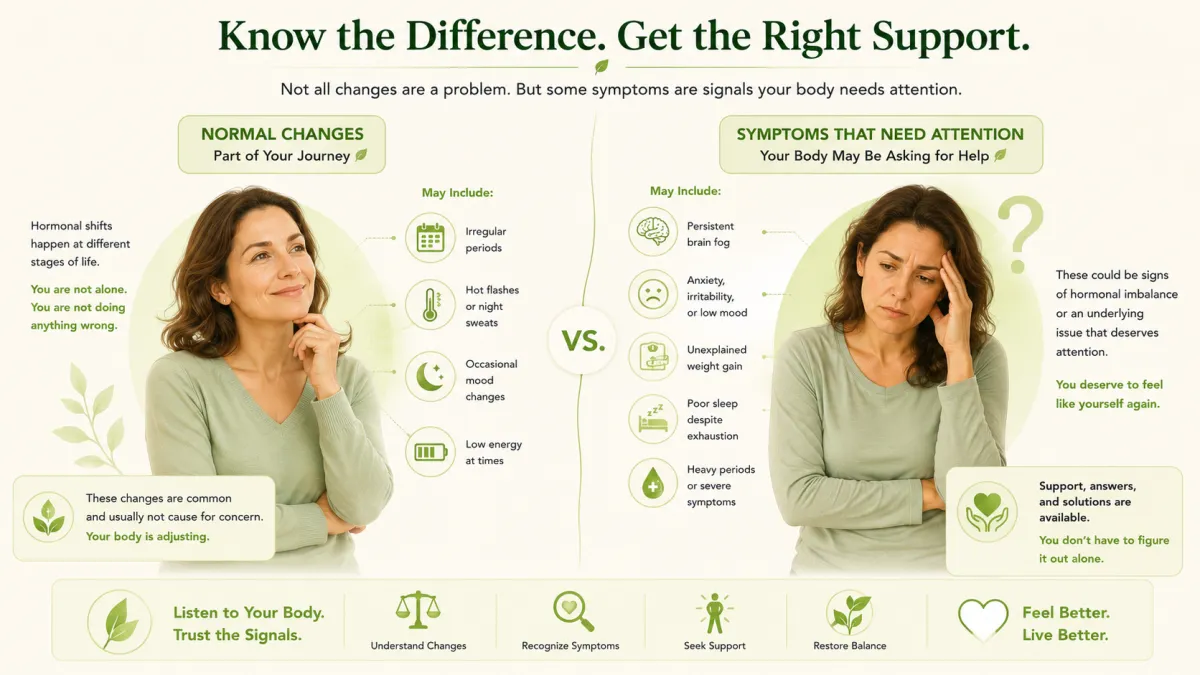
Something shifts in your 40s, and it is not always obvious at first. You are sleeping, but still tired. Eating the same, but your body feels different. Exercising, but recovery takes longer . If you are in your 40s, you are not imagining it this is a time when your body really starts to change . Some symptoms are completely normal and expected, while others signal that your hormones may need attention. The key is knowing the difference and when to seek help.
Introduction
You are in your 40s and things just feel… different. Your energy is not what it used to be. Your waistline is shifting. You wake up in the middle of the night and your brain feels foggy. Maybe your skin is drier, your hair is thinning, or your mood swings are unpredictable.
If this sounds familiar, you are not alone and you are not broken. Your body is going through a natural transition as your hormones begin to shift. Even if your period is still regular, hormone levels may already be changing behind the scenes . You might start to notice symptoms that are new, stronger, or just hard to explain .
But while these changes are common, they are not all inevitable and they are not all normal. This article helps you understand what to expect, what to watch for, and when to seek help.
What's Actually Normal in Your 40s
Hormonal Changes Starting Before Periods Change
Many women are surprised to learn that symptoms can begin before their periods become irregular. Perimenopause often starts in a woman's 40s, and it can last anywhere from 2 to 10 years. You may experience more intense PMS, breast tenderness, or mood shifts, even while your cycles still look predictable . This is often one of the earliest signs that your body is moving toward perimenopause .
Metabolism Slowing Down
If you have been eating and exercising the way you always have, but your weight seems to be changing anyway, this is a common experience in your 40s. This is not about willpower these are real, physiologic changes happening in your body . Lower estrogen levels can influence how your body stores fat, often shifting it toward the abdomen . The habits that worked in your 20s or 30s may not work quite the same way now .
Sleep Becoming Less Restorative
Sleep can get unpredictable in your 40s. You may fall asleep easily but wake up in the middle of the night. Or have trouble falling asleep at all. Hormonal fluctuations can affect body temperature and sleep regulation . Once sleep is off, it tends to throw everything else off too mood, brain fog, cravings, and stress all worsen .
Brain Fog and Memory Blips
Forgetting names, losing your train of thought, or walking into a room and not remembering why can be unsettling. Many women worry something more serious is going on, but brain fog is actually a common complaint during this stage of life . Estrogen plays a role in brain signaling and cognitive function, so fluctuations can affect memory and focus . You are not losing your edge your brain just needs different support during this phase .
Skin and Hair Changes
Dryer skin, more visible fine lines, or thinning hair can feel like they show up overnight. Estrogen helps support skin thickness, hydration, and elasticity . As levels shift, these changes may become more noticeable .
Recovery Takes Longer
If your workouts are leaving you sore for longer or your usual routine suddenly feels harder, you are not imagining it. Muscle mass declines and collagen production slows starting in your 30s and continuing into your 40s . This can affect strength, flexibility, joints, and how quickly your body bounces back after exercise . It does not mean you should stop moving it just means your body may need a smarter recovery plan .
What's NOT Normal (And Needs Evaluation)
Very Heavy or Prolonged Bleeding
While cycle changes are common, very heavy or prolonged bleeding is not normal and should be evaluated . This can be a sign of fibroids, polyps, or other conditions that require attention.
Bleeding After Menopause
Any bleeding after you have gone 12 months without a period should be evaluated by a provider promptly .
Persistent or Severe Mood Changes
If you are experiencing severe or persistent depression, anxiety that feels overwhelming, or mood changes that disrupt your daily life, these are not just "hormones" and should not be ignored . Hormonal shifts can affect mental health, but persistent, serious symptoms need evaluation.
Debilitating Fatigue That Does Not Improve with Rest
Everyone feels tired sometimes. But if your fatigue is debilitating, does not improve with rest, or significantly impacts your ability to function, it is not normal. This could signal thyroid dysfunction, anemia, or other treatable conditions .
Rapid Bone Loss or Fractures
If you are experiencing fractures or suspect bone loss, this is not just part of aging. Low estrogen is a recognized risk factor for osteoporosis, and this should be evaluated .
Symptoms That Are Worsening Over Time
If your symptoms whether physical or emotional are getting progressively worse, that is worth discussing with a provider. Many women dismiss their symptoms as "normal stress," but persistent emotional and sleep disturbances should not be ignored .
Temperature Sensitivity That Feels Extreme
Feeling unusually cold or hot regardless of the environment can signal a thyroid disorder . While hot flashes and night sweats are common, temperature sensitivity that does not respond to changing your environment warrants evaluation.
Why This Differentiation Matters
The symptoms of hormonal change in your 40s and the symptoms of something more serious often look the same on the surface . The difference often comes down to severity, persistence, and whether the symptoms are affecting your quality of life.
Many women dismiss their symptoms as "just stress" and struggle for years before receiving the right diagnosis . Hormonal imbalances rarely announce themselves in one clear way they tend to affect multiple systems at the same time . Early recognition is critical because left untreated, hormonal disorders can contribute to infertility, metabolic diseases, cardiovascular risk, and significant mental health challenges.