Why Am I Gaining Weight So Fast When I Barely Eat? | Primary Wellness NY
Quick Answer
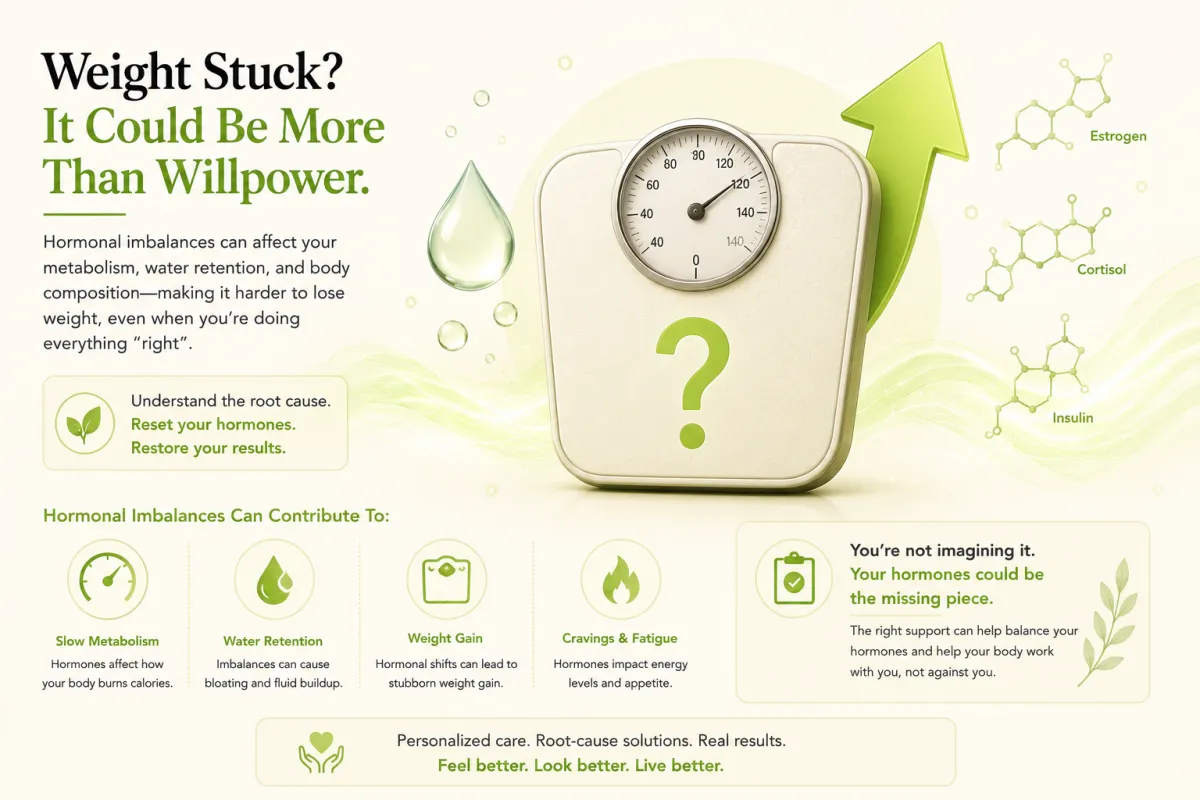
Gaining weight quickly when you are barely eating is genuinely frustrating and more common than you might think. The explanation usually falls into one of several categories: your body is holding onto fluid, a medical condition is slowing your metabolism, a medication is working against you, or stress hormones are changing how your body stores fat. Often, it is a combination of factors . The fastest type of weight gain is often not fat at all it is water retention, which can cause the scale to jump by 2 to 5 pounds in a single day . Other common medical causes include hypothyroidism, which can account for about 5 to 10 pounds of weight gain, and elevated cortisol from chronic stress, which promotes fat storage in the midsection . A thorough medical evaluation can help identify which factors are affecting you.
Introduction
You are eating very little. You are being careful. And yet, when you step on the scale, the numbers are climbing faster than they ever have before. It feels like your body is betraying you, and you cannot figure out why.
If this sounds familiar, you are not alone. Rapid weight gain despite low food intake is a common and distressing experience. The good news is that it is often not about willpower or "cheating" on your diet. It is usually a sign that something else is going on in your body something that can be identified and treated.
This article explores the most common medical reasons why you might be gaining weight quickly even when you are eating very little.
Fluid Retention: The Fastest Type of Weight Gain
The fastest type of weight gain is not fat at all. It is water. Your body can hold onto several pounds of extra fluid practically overnight, and this is one of the most common reasons the scale jumps quickly despite low food intake .
Fluid retention shows up as puffiness in your hands, ankles, or face, and your weight can swing by 2 to 5 pounds in a single day from water alone . Everyday causes include high sodium intake, hormonal shifts during your menstrual cycle, and not drinking enough water which paradoxically makes your body hold onto more fluid .
However, rapid, persistent fluid retention can also signal something more serious: heart problems, kidney disease, liver conditions, or a medication side effect. If you notice swollen feet paired with shortness of breath, that combination warrants prompt medical attention . The key distinction is that fluid weight appears suddenly, often with visible swelling, while fat gain accumulates gradually over weeks and months.
Thyroid Problems: A Slowing Metabolism
An underactive thyroid is one of the most straightforward medical explanations for weight gain on low calories. Your thyroid gland controls how fast your body burns energy at rest. When it underperforms, everything slows: your metabolism, your digestion, and your energy levels .
According to the American Thyroid Association, hypothyroidism typically accounts for about 5 to 10 pounds of weight gain, depending on severity. That might sound modest, but on a small frame or combined with other factors, it can be very noticeable .
The hallmark signs go beyond weight gain. You will often feel cold when others do not, fatigued even after sleeping well, and mentally foggy. Your skin may feel dry, your hair might thin, and constipation becomes a regular problem . A simple blood test can check your thyroid function, and it is worth requesting if several of these symptoms sound familiar. Treatment is straightforward, and the weight typically responds once thyroid levels normalize.
Stress Hormones and Fat Redistribution
Chronic stress does something particularly frustrating to your body composition. When you are under sustained stress, your body produces elevated levels of cortisol, a hormone that actively promotes fat storage in your midsection and face .
Research published in the Journal of Endocrinology found that belly fat tissue is especially sensitive to cortisol, with higher receptor expression that makes it absorb and store fat more readily than other areas. Worse, cortisol-driven fat deposits in the abdomen tend to be more persistent and harder to reverse than fat gained from overeating alone .
This means you can be eating modestly and still watch your waistline expand if your cortisol stays chronically elevated. The pattern is distinctive: weight concentrates around your belly, upper back, and face while your arms and legs may stay relatively unchanged . Poor sleep, ongoing anxiety, demanding work schedules, and even overexercising can keep cortisol high. If you are gaining weight primarily around your middle despite eating less, stress physiology is a strong suspect.
Medications That Cause Weight Gain
Several common prescription medications can cause significant weight gain that has nothing to do with how much you eat. Corticosteroids prescribed for inflammation, asthma, and autoimmune conditions are among the worst offenders, promoting both fluid retention and fat storage. Antipsychotic medications can cause rapid, substantial increases. Antidepressants, particularly tricyclic antidepressants and some SSRIs, are associated with weight gain over time, though the effect varies significantly between specific drugs . Even some medications for diabetes, seizures, high blood pressure, and allergies can contribute.
If your weight gain started around the same time you began a new medication or changed a dose, that is a meaningful clue. Do not stop taking prescribed medication on your own, but do bring up the timing with your prescriber. In many drug classes, alternatives exist that are weight-neutral or even promote modest weight loss .
The Calorie Estimation Problem
This part can be uncomfortable, but it matters. Humans are remarkably bad at estimating how much they eat. A study in The American Journal of Clinical Nutrition found that people underreport their daily calorie intake by roughly 300 to 600 calories on average, with some groups underestimating by as much as 25 percent .
If you are genuinely eating very little but gaining weight, fluid retention, thyroid issues, stress hormones, or medications are more likely explanations. However, if you are unsure, keeping a detailed food diary for a few days and having a provider review it can provide clarity.
When to See a Provider
You should consider a medical evaluation if you are gaining weight rapidly despite eating very little, especially if the weight gain is sudden or out of character. If you have other symptoms like fatigue, cold intolerance, brain fog, menstrual changes, or swelling in your hands or feet, these can provide important clues about the underlying cause. If you have started a new medication around the time the weight gain began, it is worth discussing with your prescriber.
What Labs Should Be Checked for Rapid Weight Gain?
A thorough evaluation typically includes:
Thyroid panel TSH, Free T4, and Free T3 to assess thyroid function
Complete blood count (CBC) to check for anemia and other blood disorders
Comprehensive metabolic panel to assess kidney and liver function, and electrolyte balance
Fasting glucose and insulin to assess for insulin resistance
Hemoglobin A1c to check for prediabetes or diabetes
Cortisol if chronic stress is suspected
Estrogen, progesterone, and testosterone to assess hormone levels
Vitamin D and iron studies to check for nutritional deficiencies
The right tests depend on your individual symptoms, medical history, and risk factors. A provider can help determine which labs are appropriate for you.