Why Am I Losing Muscle as I Get Older? | Primary Wellness NY
Quick Answer
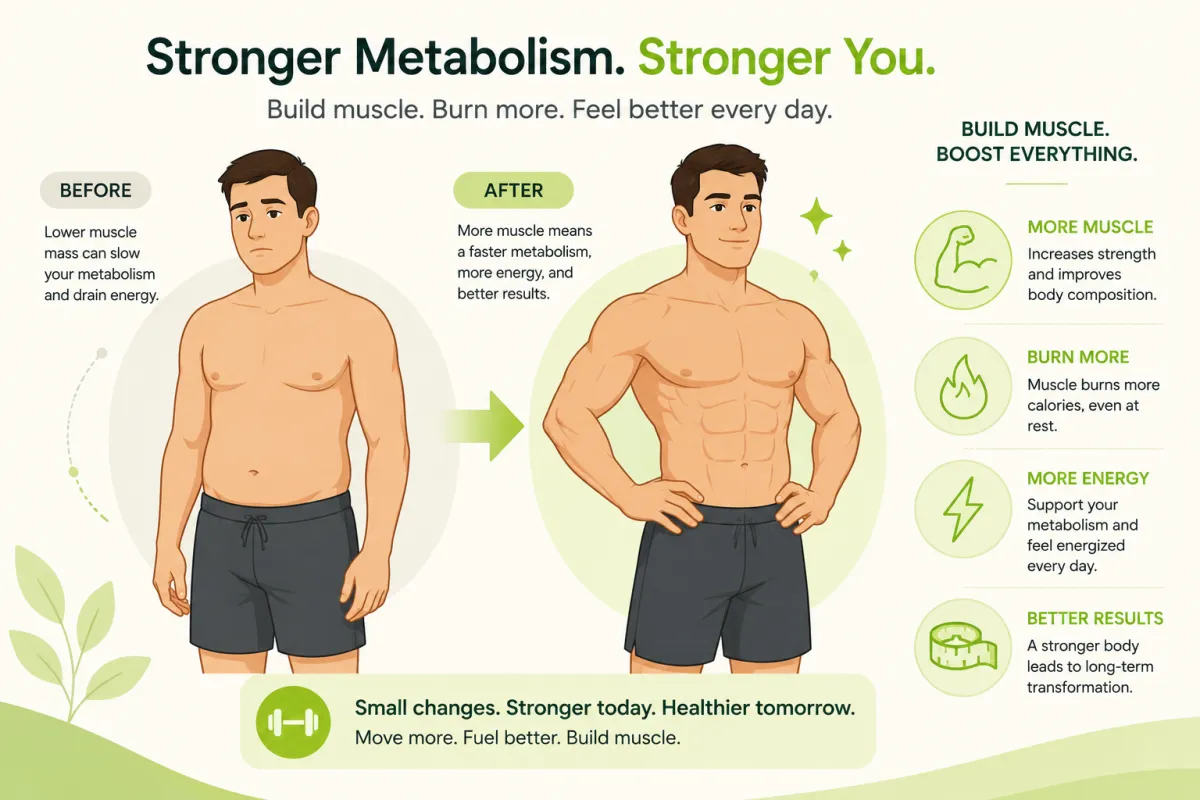
If you are noticing that your muscles feel smaller, softer, or weaker with age, you are experiencing a natural process called sarcopenia. Starting around age 30, the body begins to lose 3% to 5% of muscle mass per decade. This process accelerates in women after menopause and is driven by declining hormones (testosterone, estrogen), reduced physical activity, inadequate protein intake, and metabolic changes. While some muscle loss is inevitable, much of it is preventable and a medical evaluation can help identify contributing factors that may be treatable.
Introduction
You used to be able to carry groceries with ease, climb stairs without thinking, or lift your suitcase into an overhead bin. Now, everyday tasks feel heavier. Your arms seem less defined. Your legs tire more easily. It is not just your imagination and it is not simply a sign that you are "out of shape."
Age-related muscle loss is a real physiological process called sarcopenia. It affects both men and women, though women are at higher risk due to the hormonal shifts of menopause. The good news is that while this process is natural, it is not inevitable. With the right approach including proper nutrition, exercise, and sometimes medical support you can slow, and in some cases partially reverse, muscle loss.
What Is Sarcopenia?
Sarcopenia is the medical term for the progressive loss of skeletal muscle mass and function that occurs with aging. The word comes from the Greek wordssarx (flesh) andpenia (loss).
Key facts about sarcopenia:
It affects approximately 5% to 13% of people aged 60 to 70, and up to 50% of those aged 80 or older
Women have about a 20% higher risk of developing sarcopenia than men
The process begins quietly in your 30s and becomes more noticeable after age 50
Sarcopenia was officially recognized as a disease in 2016 with an ICD-10 code
What Causes Age-Related Muscle Loss?
Hormonal Changes
Hormones play a critical role in maintaining muscle mass. As you age, levels of key muscle-building hormones decline.
Testosterone decline in men:
Testosterone is essential for protein synthesis, muscle fiber hypertrophy, and satellite cell proliferation in skeletal muscle. In men, testosterone levels decline gradually with age a process called late-onset hypogonadism. This decline is closely linked to sarcopenia and frailty.
Estrogen decline in women:
For women, the drop in estrogen during menopause accelerates muscle loss. Estrogen is involved in skeletal muscle maintenance, and its decline contributes to reduced muscle mass and strength. Women may lose muscle mass more quickly after menopause than before.
Other hormonal factors:
Growth hormone, insulin-like growth factor-1 (IGF-1), and thyroid hormones also affect muscle metabolism. Declines in these hormones with age can contribute to muscle loss.
Reduced Physical Activity
Physical inactivity is a major driver of muscle loss. A sedentary lifestyle leads to muscle atrophy the shrinking of muscle fibers. This can create a vicious cycle: muscle loss makes activity harder, and less activity leads to more muscle loss.
Inadequate Protein Intake
Muscles need protein to repair and rebuild. As you age, your body becomes less efficient at using dietary protein for muscle synthesis a phenomenon called anabolic resistance. This means older adults may need more protein than younger people to maintain muscle mass.
Many older adults do not meet their daily protein needs. One study found that approximately 46% of adults aged 51 and older did not meet daily protein recommendations.
Metabolic Changes
Insulin resistance, chronic inflammation ("inflammaging"), mitochondrial dysfunction, and oxidative stress all contribute to age-related muscle loss. These metabolic changes disrupt the balance between protein synthesis and breakdown in muscle tissue.
Weight Loss
When you lose weight, you lose both fat and muscle. This is especially important to consider with weight-loss medications or very low-calorie diets some muscle loss may occur alongside fat loss.
Signs and Symptoms of Sarcopenia
Common signs include:
Muscle weakness feeling weaker than you used to
Difficulty with everyday activities climbing stairs, standing from a chair, carrying groceries, twisting a jar lid
Slower walking speed
Poor balance and increased risk of falls
Visible decrease in muscle size
Loss of stamina
If you notice these symptoms, it is worth discussing with a healthcare provider.
When to See a Provider About Muscle Loss
You should consider a medical evaluation if:
You are noticing significant weakness or difficulty with daily tasks
You are experiencing unexplained weight loss or muscle loss
You are in perimenopause, menopause, or andropause (age-related hormone decline)
You have risk factors like a sedentary lifestyle, poor nutrition, or chronic illness
A provider can help determine whether hormonal deficiencies, nutritional gaps, or other treatable conditions are contributing.
What Labs Should Be Checked for Muscle Loss?
A thorough evaluation typically includes:
Testosterone (total and free for both men and women)
Estrogen and progesterone (for women, especially those in perimenopause or menopause)
Thyroid panel (TSH, Free T4, Free T3)
Vitamin D important for muscle function
Comprehensive metabolic panel
Fasting glucose and insulin to assess metabolic health
Inflammatory markers (CRP, ESR)
Nutritional status including protein and iron levels
The right tests depend on your individual symptoms, medical history, and risk factors. A provider can help determine which labs are appropriate for you.